PEFCR-aligned product footprints for footwear
Generate audit-ready environmental footprints for footwear products and prepare for upcoming EU requirements at scale.
Built for complex, multi-component products.

Why footwear footprinting requirements are evolving
Footwear brands face increasing pressure to deliver product-level environmental data.
Across Europe, requirements are evolving:
- The Ecodesign for Sustainable Products Regulation (ESPR) is expected to introduce product-level requirements, with a dedicated study for footwear underway
- Digital Product Passports (DPP) will require product-level disclosures
- Product Environmental Footprint (PEF) is emerging as a common methodology for comparability
While detailed requirements for footwear are still being defined, brands are expected to prepare for product-level footprinting and increasing data transparency. This shift reflects a move toward consistent, comparable environmental data across complex products.
Footwear products combine multiple materials and components, making manual LCA modeling difficult to scale. Inconsistent data cannot be compared. Complex modeling limits scalability. And waiting for final requirements increases the risk of falling behind.
What the compliance pack delivers
Instead of building models from scratch, this pack provides:
- A PEFCR-aligned model for footwear products
- Predefined system boundaries and component-level structure
- Ecoinvent v3.11 (cut-off) as the underlying database
- Documentation explaining the model structure and methodological choice
You provide your product and component data. The model applies a consistent structure, helping ensure results are transparent, comparable, and aligned across product lines.
What you can achieve with the compliance pack
- Generate PEF-aligned footwear footprints
Produce results aligned with EU regulatory expectations - Handle complex, multi-component products
Model soles, uppers, linings, and packaging within a single structure. - Scale across product lines and collections
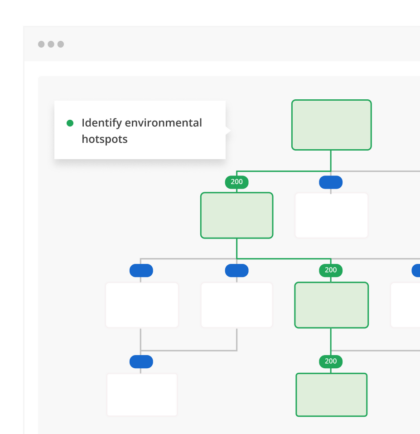
Apply consistent calculations across large portfolios - Identify impact hotspots in materials and processes
Understand the impact of leather, synthetics, adhesives, and manufacturing

Why use this compliance pack
- Avoid rebuilding complex product models
Use a structured model aligned with PEFCR requirements - Ensure consistency across product lines
Apply a standardized approach across designs and collections - Be ready for audit and regulatory review
Rely on transparent methodology and documentation built into the model.
How it works
- Start with the PEFCR-aligned footwear model
- Input product and component data including materials, processes, transport
- Generate compliant product footprints
Prepare for footwear compliance requirements with confidence
Request a demo to scale PEF-aligned footprinting across your portfolio.