PPWR packaging LCA: a practical workflow
– written by Papon Roy, Sustainability Specialist

The Packaging and Packaging Waste Regulation (PPWR) has applied across the European Union since August 12, 2026. Regulation (EU) 2025/40 replaces the 1994 packaging directive with directly applicable rules to reduce packaging waste, improve recyclability, increase the use of recycled materials, and encourage reuse.
Its obligations arrive in phases. Restrictions on per- and polyfluoroalkyl substances (PFAS) in food-contact packaging applied from the first day. Harmonized labeling follows in 2028. The requirements that reshape packaging design itself, covering recyclability, recycled content, minimization, and reuse, take effect from 2030.
Meeting them means knowing what your packaging is made of, how it is produced, how far it travels, and where it ends up. Life cycle assessment (LCA) quantifies the environmental impacts across all of it, which turns packaging decisions into evidence rather than assumptions.
SimaPro lets you model packaging systems, compare alternatives, and see what a change in design, material composition, or waste management actually does to the result.
Where packaging trade-offs hide
LCA evaluates environmental performance from raw material extraction through production, distribution, use, and end of life. That full-chain view is what stops you from solving one problem by creating another somewhere else.
Reducing packaging weight lowers material consumption and transport impacts. Changing the material can affect recyclability, recycled content, product protection, and end-of-life performance at the same time. LCA makes those relationships visible, so you can identify packaging that performs well across the complete life cycle rather than on one indicator.
LCA results support decisions such as:
- Comparing packaging materials and formats
- Evaluating lightweighting and packaging minimization options
- Assessing reusable and single-use packaging systems
- Analyzing recycled and virgin material scenarios
- Exploring different collection, recycling, recovery, and disposal routes
- Identifying environmental hotspots in the packaging value chain
- Supporting packaging design and procurement decisions
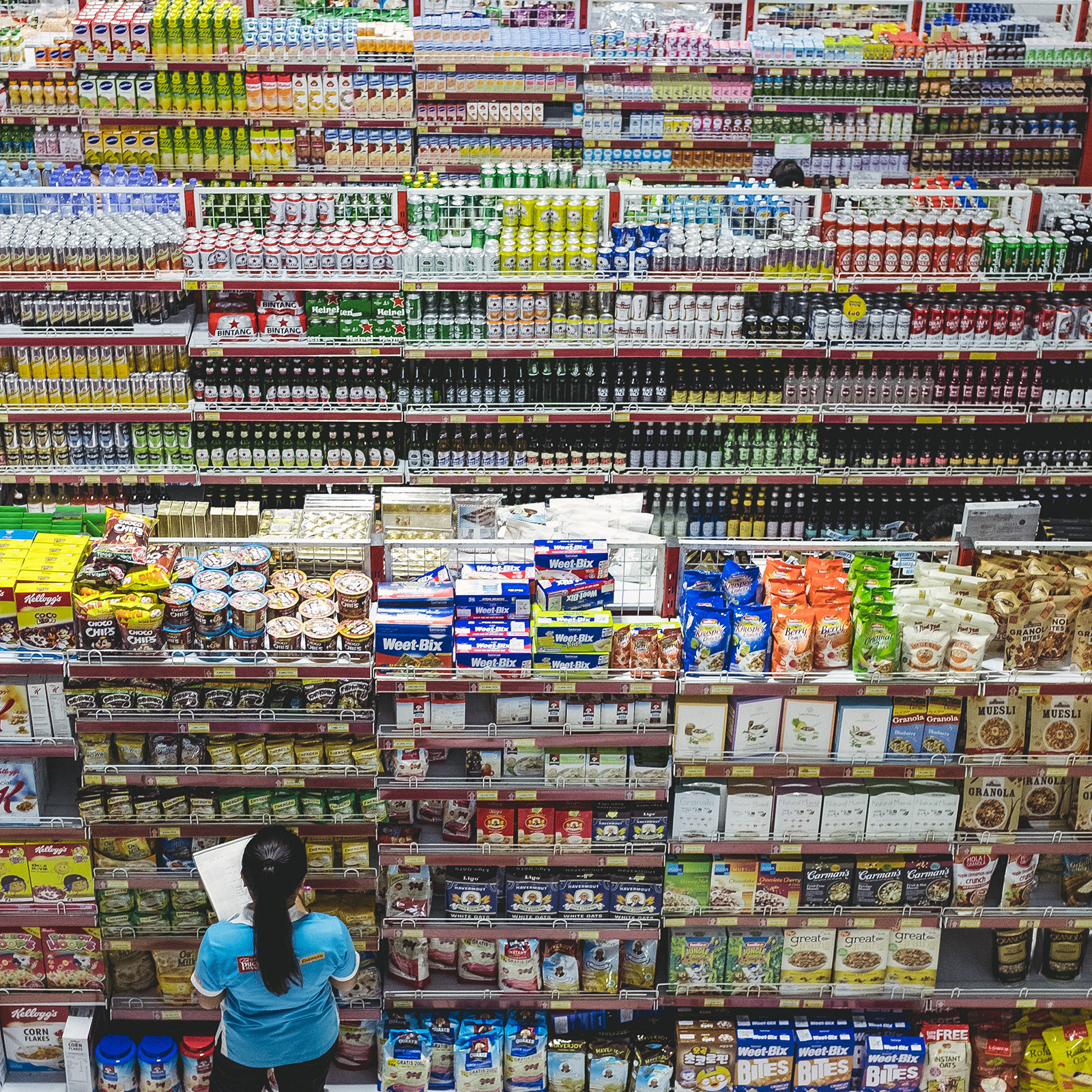
Life cycle assessment helps having a comprehensive image of packaging impacts across categories
Assessing packaging in SimaPro
SimaPro models primary, secondary, and tertiary packaging in a single system. Those models cover packaging materials, manufacturing, printing and conversion, transport, reuse cycles, and end-of-life treatment.
A typical assessment compares design scenarios on a consistent functional basis. This matters because packaging does more than contain a product. It protects the product, preserves quality, and reduces losses during transport and storage. Alternatives have to be compared on the same function and the same level of product protection, otherwise the comparison does not hold.
SimaPro provides life cycle inventory databases and recognized impact assessment methods for evaluating packaging systems. You can add supplier-specific or company-specific data wherever it improves how well the model represents your own packaging.
General workflow
1. Define the goal and scope
Define the purpose of the assessment and the decisions it should support. Establish the functional unit, system boundaries, geographic scope, time horizon, and the packaging life cycle stages you will include.
The functional unit should reflect the service the packaging delivers. In most studies, that is the packaging required to deliver a defined quantity of product while meeting specified protection and quality requirements. If you are new to setting this up, start with the basics of life cycle assessment.
2. Collect packaging data
Gather packaging composition, material quantities, recycled content, manufacturing processes, transport distances, and end-of-life routes. This data comes from internal systems, packaging specifications, suppliers, waste management partners, and the datasets in SimaPro’s databases.
Reusable packaging needs more: the expected number of rotations, return transport, cleaning, loss rates, and replacement requirements.
3. Build the packaging model
Represent the packaging system in SimaPro by linking materials, production processes, transport, and end-of-life treatments. Model primary, secondary, and tertiary packaging separately where it helps, since that shows the contribution of each packaging level instead of hiding it in a single figure.
Model recycling in a way that is consistent with the purpose of the study, the database you are using, and the reporting framework you are working to. Document your assumptions on collection rates, sorting, recycling efficiency, recycled material quality, and substitution.
4. Create and compare scenarios
Build scenarios that represent the packaging changes you are considering. For example:
- Reducing packaging weight or volume
- Increasing recycled material content
- Replacing a material or packaging component
- Improving recyclability
- Moving from single-use to reusable packaging
- Changing the number of reuse cycles
- Adjusting transport or distribution systems
- Comparing different end-of-life pathways
Scenario analysis shows whether an improvement in one area creates additional impacts elsewhere in the life cycle.
5. Calculate and interpret results
Calculate the impacts of each scenario and compare them under consistent assumptions. Contribution analysis identifies which materials, processes, and life cycle stages drive overall performance.
Sensitivity analysis then tests the assumptions you are least certain about: recycling rates, recycled content, reuse cycles, transport distances, and energy inputs. This is what tells you the conditions under which a packaging option performs best, rather than leaving you with a single number and no sense of how firm it is.
Supporting packaging improvement and reporting
Results from SimaPro provide the environmental evidence behind packaging development, procurement discussions, and internal sustainability reporting. They also help teams set a baseline, prioritize improvements, and track what packaging changes actually achieve over time.
Procter & Gamble took this approach further, working with PRé to build a packaging assessment tool powered by SimaPro that lets their designers compare packaging setups across regions, covering 53 materials and 17 processing steps.
SimaPro connects to internal workflows through Excel and APIs, so LCA results sit alongside packaging specifications, supplier data, collection tools, and reporting dashboards. That is what makes packaging assessment repeatable across a product portfolio instead of a one-off project.
LCA does not replace the technical testing, documentation, or legal assessment needed to demonstrate compliance with individual PPWR requirements. It complements them, adding quantified evidence for the design and sourcing choices you make along the way.
Frequently asked questions
- Does the PPWR require a life cycle assessment?
The PPWR does not require you to produce a life cycle assessment. It sets requirements on recyclability, recycled content, minimization, labeling, and reuse, and compliance is demonstrated through technical documentation and testing. LCA is a decision-support tool: SimaPro’s LCA software quantifies the environmental trade-offs behind a packaging choice before you commit to it. - When does the PPWR apply?
Regulation (EU) 2025/40 entered into force on 11 February 2025 and has applied generally since 12 August 2026, with obligations phased in over time. PFAS restrictions on food-contact packaging applied from that date, harmonized labeling follows in 2028, and requirements covering recyclability, recycled content, packaging minimization, and reuse take effect from 2030. - How do you compare reusable and single-use packaging fairly?
Compare them on the same function and the same level of product protection, then model the full reuse system: number of rotations, return transport, cleaning, loss rates, and replacements. In SimaPro, each of these is a parameter you can vary, which lets you find the rotation count at which reuse starts to outperform single use. - What data do you need to model packaging in SimaPro?
You need packaging composition and material quantities, recycled content, manufacturing and conversion processes, transport distances, and end-of-life routes. SimaPro supplies the background data for materials, energy, transport, and waste treatment through its life cycle inventory databases, so you only have to collect the foreground data specific to your own packaging. - Which impact categories matter for packaging?
More than climate change alone. Packaging decisions routinely shift impacts between climate change, water use, land use, and resource depletion, so a single indicator can hide a trade-off rather than reveal it. SimaPro includes recognized impact assessment methods, including Environmental Footprint 3.1 and ReCiPe 2016, so you can check results across a full set of indicators.
Apply packaging LCA in practice
Start with one representative packaging system. Define its function, model a small number of relevant improvement scenarios, and use the results to find the hotspots and set your data collection priorities.
That gives you a repeatable approach you can extend to other packaging formats, whether you work in food and beverage, consumer products, chemicals, or pharmaceuticals.
Want to talk it through first? A SimaPro expert or local partner can walk you through packaging modeling in your language and time zone.